Abandoned by Design: The Calculated Strategy Behind Big Tech's Software Expiration Dates

Photo by Photo by Zulfugar Karimov on Unsplash on Unsplash
There is a particular kind of corporate silence that arrives not with a press release but with a small, easy-to-miss notice buried in a support documentation page. It reads something like: "This product has reached its end-of-life date and will no longer receive software updates." For the millions of Americans still using that product — still powering it on every morning, still trusting it with their passwords, their financial apps, their private communications — that sentence is not an administrative footnote. It is a countdown clock.
The practice of sunsetting software support is not new. What has changed, according to current and former technology industry insiders, is the degree to which these timelines are deliberately compressed, strategically timed, and financially optimized — not for the benefit of consumers, but for the benefit of quarterly earnings reports.
The Architecture of Abandonment
Speak to anyone who has spent time inside a major tech company's product lifecycle team, and a consistent picture emerges. Support timelines are not determined by engineering constraints. They are determined by revenue modeling.
"The engineering team could absolutely continue pushing security patches to a five-year-old device," said one former product manager at a major consumer electronics firm, who requested anonymity to avoid professional repercussions. "The codebase doesn't disappear. The capability doesn't vanish. What changes is the internal calculation about whether supporting that device is worth the cost when you could be creating urgency for a new purchase."
That urgency is, of course, the point. A device that continues to receive robust security updates is a device its owner has little incentive to replace. A device that has been quietly stripped of patch support — while remaining fully functional in every other respect — is a device that becomes a liability. And liability, in the consumer technology market, is one of the most reliable sales drivers ever engineered.
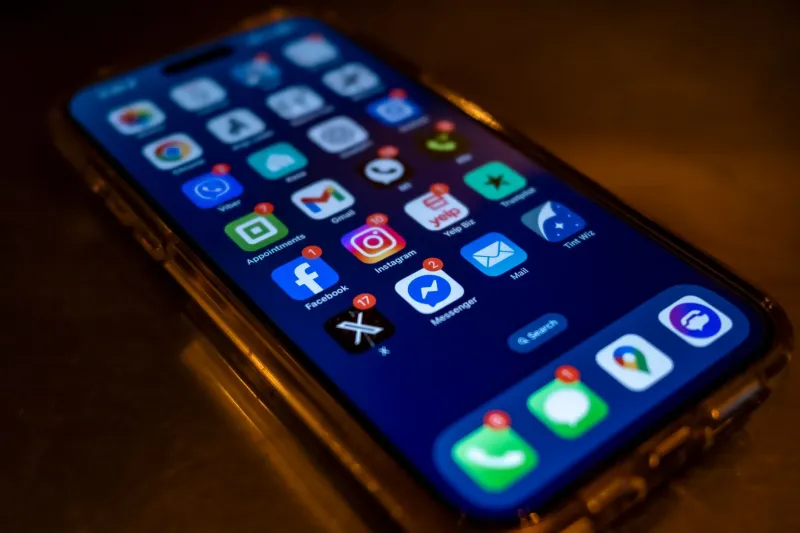
This dynamic plays out with particular clarity in the smartphone market. Major manufacturers have historically offered between two and four years of guaranteed software support for flagship devices, despite the fact that the underlying hardware is often capable of running updated software for considerably longer. Google and Apple have recently extended their formal commitments under public pressure, but critics argue the actual quality and completeness of updates for older devices degrades well before the official end-of-support date.
When "Unsupported" Means "Unsafe"
The consequences of this strategy are not merely inconvenient. They are, in many documented cases, dangerous.
When a device stops receiving security patches, it does not simply freeze in time. The vulnerability landscape around it continues to evolve. Exploits are discovered, published, and weaponized by bad actors — sometimes within weeks of a patch being released for newer models. A phone that was perfectly secure in January can be a documented attack surface by March, simply because its manufacturer decided the support window had closed.
The Federal Trade Commission has taken notice. In recent years, the agency has issued guidance suggesting that companies have an obligation to disclose support timelines clearly at the point of sale — a standard that the industry has consistently failed to meet. Consumers purchasing a $900 smartphone are rarely informed, in plain language, that the device they are buying will stop receiving critical security updates in 36 months.
"You would never buy a car if the manufacturer told you upfront that the brakes would stop working in three years," said one cybersecurity researcher who has studied the downstream effects of support abandonment. "But that is functionally what is happening with software security, and it is being normalized."
The Devices Hit Hardest
Not all product categories are equally vulnerable to this dynamic. Budget-tier Android smartphones represent the sharpest end of the problem. Devices sold at accessible price points — precisely the devices most likely to be purchased by lower-income Americans — frequently receive the shortest support windows, sometimes as little as one year of security updates. This creates a troubling stratification: affluent consumers who purchase premium flagships enjoy longer, more consistent support, while consumers with fewer resources are disproportionately exposed to security risk.
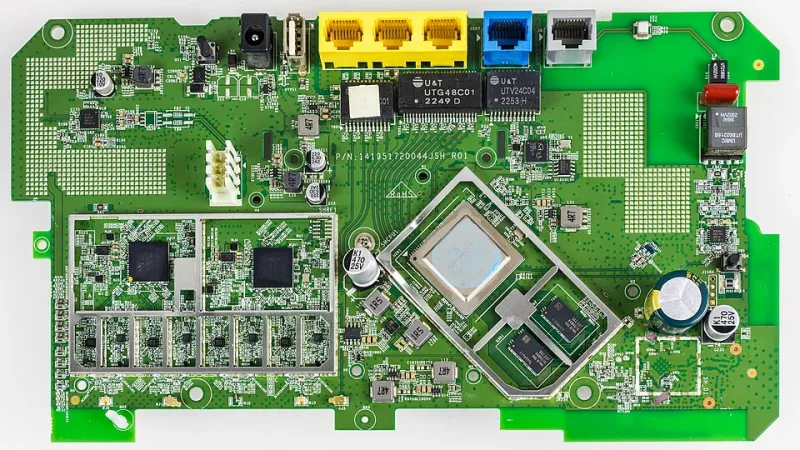
Smart home devices present a second category of acute concern. Routers, smart speakers, connected thermostats, and security cameras are often sold with no clearly defined support commitment whatsoever. Several major manufacturers have simply discontinued cloud services for these products mid-lifecycle, rendering hardware that was functioning perfectly well either degraded or entirely inoperable.
Laptops running older versions of Windows occupy a third and increasingly urgent category. Microsoft's decision to end support for Windows 10 — a platform still running on an estimated 240 million machines as of mid-2025 — will leave a substantial portion of the American computing population on an unsupported operating system. The company has been explicit that many of these machines are technically capable of running Windows 11 but have been excluded based on hardware certification requirements that critics argue are more commercially than technically motivated.
The Financial Logic, Laid Bare
Understanding why this happens requires setting aside the language of progress and engaging directly with the language of profit.
For a company like Apple or Samsung, every additional year that a consumer delays purchasing a new device is a year of revenue deferred. The installed base of older devices represents, in financial terms, a drag on upgrade cycle velocity. Support abandonment accelerates that cycle — not by making old devices stop working, but by making the risk of continuing to use them feel untenable.
"There's a term people use internally," said a second former product executive, this one from a major software platform. "'Forcing function.' The end-of-support date is a forcing function. It's not designed to be the moment the device fails. It's designed to be the moment the user starts feeling anxious enough to act."
That anxiety is the product. And it is, by all available evidence, a product that the industry has spent decades refining.
What Accountability Would Look Like
Several consumer advocacy organizations have proposed concrete remedies. Mandatory disclosure of support timelines at the point of sale — in plain, prominent language — would at minimum allow consumers to make informed decisions. Extended support mandates, similar to those being considered by the European Union, would require manufacturers to provide security updates for a minimum period tied to device price tier. And right-to-repair legislation, which would allow independent developers to issue unofficial security patches for abandoned devices, would create a safety net for products the manufacturer has chosen to walk away from.
None of these remedies are currently federal law in the United States. Until they are, the calculated expiration of software support will remain one of the most consequential and least examined forms of consumer harm in the American technology market.